Overview
Samarkand stands as one of Central Asia's most legendary cities, a jewel along the ancient Silk Road that has captivated travelers for over 2,500 years. As the capital of Timur's empire in the 14th century, it became a center of Islamic scholarship, art, and architecture, leaving behind monuments that continue to astound visitors today. The city's stunning madrasas, mosques, and mausoleums showcase the pinnacle of Persian-Islamic architecture, with their intricate tile work, soaring domes, and grand proportions.
Today, Samarkand's historic center holds UNESCO World Heritage status and remains remarkably well-preserved. Walking through the old city, you'll encounter the same azure-blue domes and towering portals that greeted medieval merchants and scholars. Modern Samarkand blends its glorious past with contemporary Uzbek life—bustling bazaars sell traditional crafts alongside everyday goods, while tea houses and restaurants serve the same dishes perfected over centuries. For first-time visitors to Uzbekistan, Samarkand offers the most concentrated and accessible collection of architectural masterpieces in the country.
Top Attractions
- Registan Square - The heart of ancient Samarkand, featuring three magnificent madrasas (Ulugh Beg, Sher-Dor, and Tilya-Kori) surrounding a central plaza. Best visited at sunrise or for the evening light show
- Shah-i-Zinda Necropolis - A stunning avenue of mausoleums with some of the finest tile work in the Islamic world, dating from the 11th to 19th centuries
- Gur-e-Amir Mausoleum - The spectacular tomb of Timur (Tamerlane) and his descendants, featuring a massive turquoise dome and intricate interior decoration
- Bibi-Khanym Mosque - Once one of the Islamic world's largest mosques, built by Timur to showcase his power and devotion after his Indian campaign
- Ulugh Beg Observatory - The remains of a 15th-century astronomical observatory built by Timur's grandson, who was both ruler and renowned scientist
- Siab Bazaar - The city's main market, perfect for experiencing local life and shopping for spices, dried fruits, nuts, bread, and handicrafts
Getting There
From Tashkent, the fastest option is the Afrosiyob high-speed train, which covers the 344 kilometers in just 2 hours and 10 minutes, offering comfortable seating and scenic views of the Uzbek countryside. Tickets should be booked in advance, especially during peak season. Alternatively, shared taxis make the journey in about 4 hours and cost less than the train, though they're less comfortable. Domestic flights are available but less practical considering airport transfers and check-in time.
From Bukhara, the Afrosiyob train takes approximately 1 hour and 30 minutes, making it easy to visit both cities in a single trip. Shared taxis are also available for the 270-kilometer journey, taking around 3.5 hours.
Getting Around
The historic center of Samarkand is compact and best explored on foot—most major monuments are within walking distance of each other. For longer distances, taxis are inexpensive and readily available. The Yandex Go app works reliably in Samarkand and eliminates language barriers and bargaining. Official yellow taxis can also be hailed on the street, but agree on a price before departing. Local minibuses serve various routes but can be confusing for visitors unfamiliar with the routes and Uzbek language.
Best Time to Visit
Spring (April to May) and autumn (September to October) offer the most pleasant weather for sightseeing, with mild temperatures, clear skies, and blooming gardens. These seasons are ideal for walking tours and outdoor exploration. Summer (July and August) brings intense heat, with temperatures regularly exceeding 40°C (104°F), making midday sightseeing uncomfortable—visit early morning or late afternoon if traveling in summer. Winter (December to February) sees fewer tourists and mild daytime temperatures, though nights can be quite cold. Expect occasional rain in spring and autumn.
Recommended Duration
Plan to spend at least 2 to 3 full days in Samarkand to properly appreciate its major monuments and soak in the atmosphere. This allows time to visit Registan Square, Shah-i-Zinda, Gur-e-Amir, and Bibi-Khanym without rushing, plus explore the bazaar, enjoy leisurely meals, and make a day trip to nearby sites like Konigil village. Many visitors find themselves wishing they had stayed longer—the city rewards slower, more contemplative exploration.
What to Eat
Samarkand claims to serve the finest plov in Uzbekistan, with a distinctive recipe featuring yellow carrots, chickpeas, and lamb, traditionally cooked in enormous kazan pots over open fires. The city's non bread, particularly from the tandoor ovens around Siab Bazaar, is renowned throughout the country for its flavor and texture. Other must-try dishes include shashlik (grilled meat skewers), samsa (savory pastries filled with meat or pumpkin), and various salads featuring fresh local vegetables. Don't miss trying local wines from the Hovrenko winery, which has been producing wine in the Samarkand region since 1927—unusual in a predominantly Muslim country, Uzbekistan has a long wine-making tradition.
Shopping
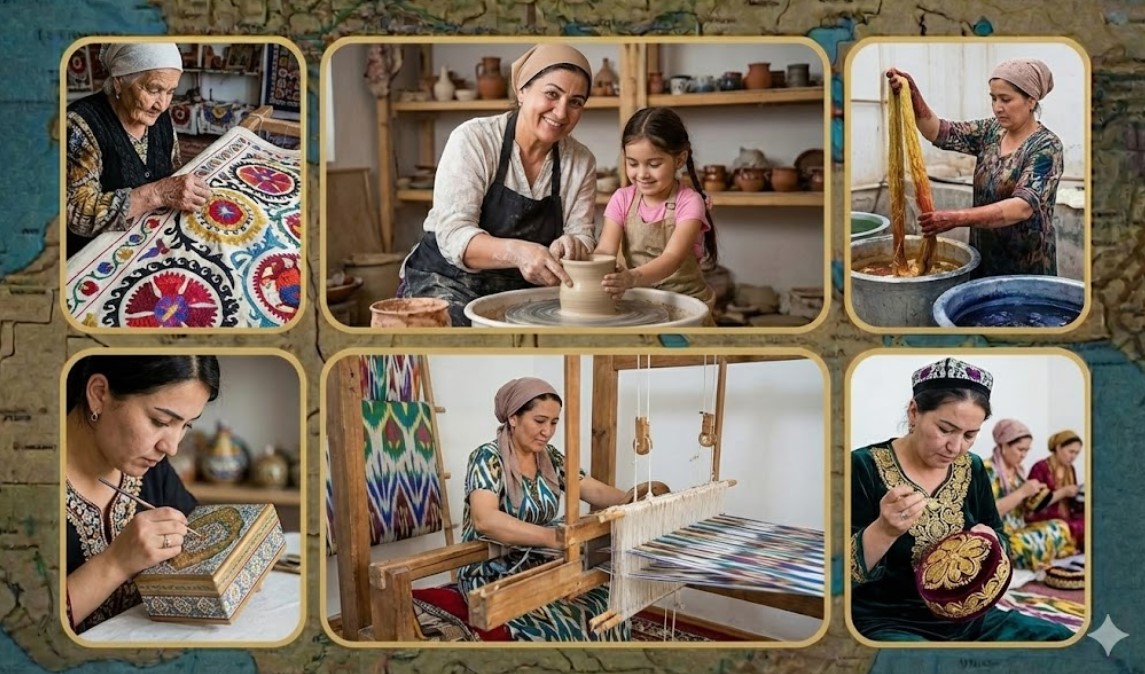
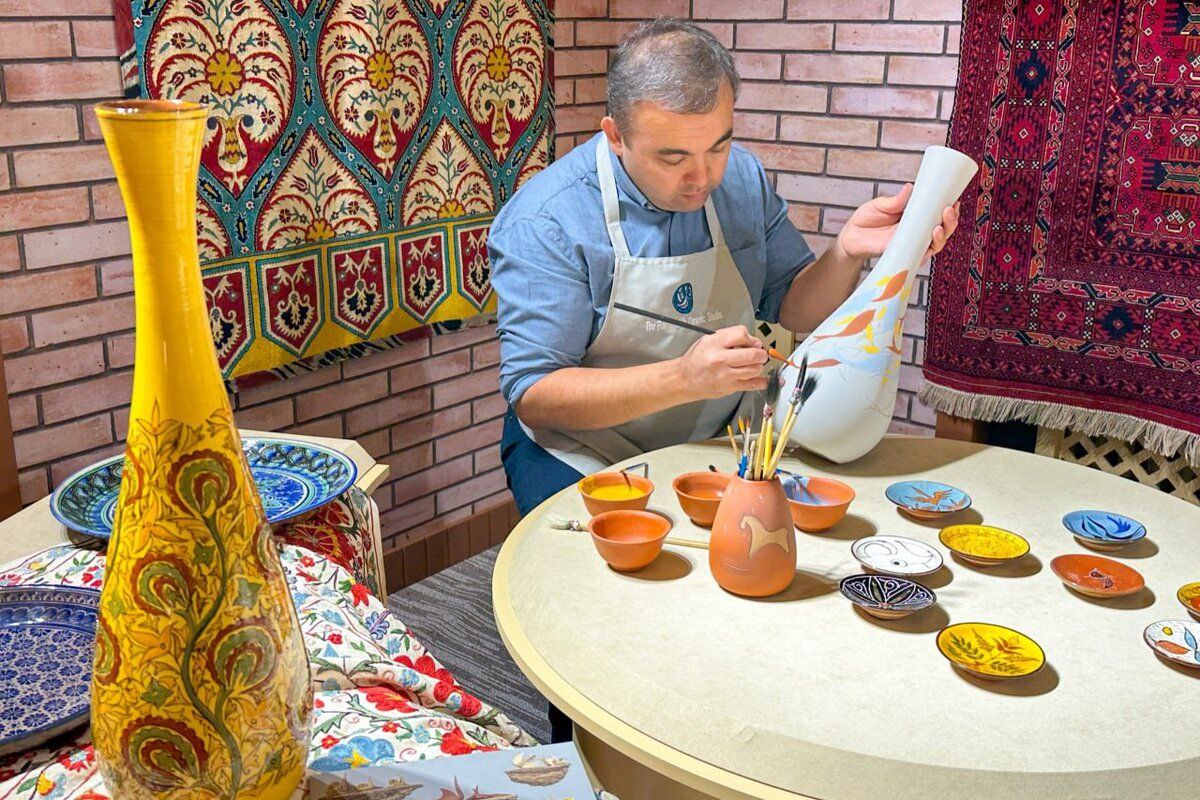
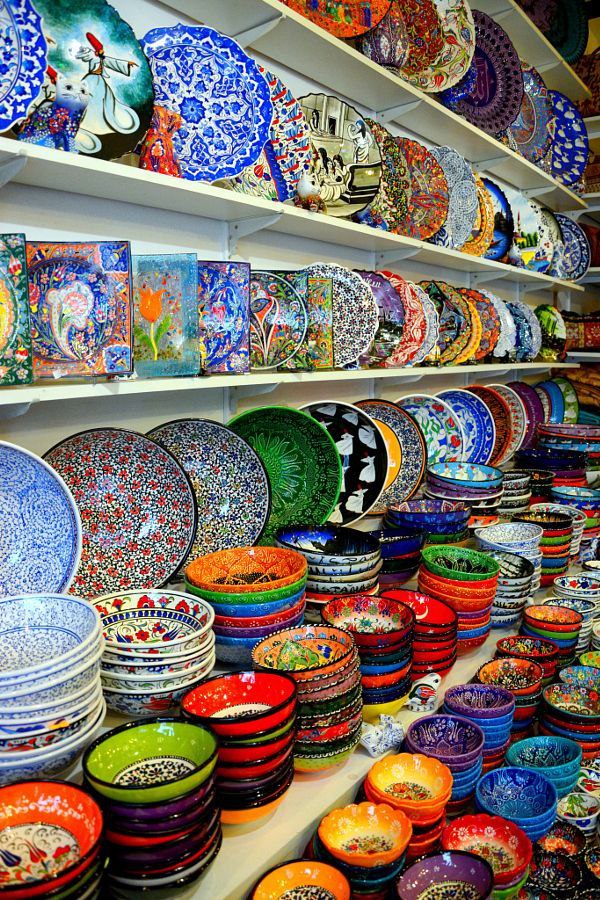
Siab Bazaar is the essential shopping destination, offering an authentic market experience with stalls piled high with colorful spices, dried fruits, fresh produce, nuts, and traditional sweets. Samarkand is famous for its handmade paper, produced using medieval techniques at workshops in nearby Konigil village—beautiful, durable, and lightweight for packing. The city's silk fabrics, hand-painted ceramics, and suzani embroidery (decorative wall hangings and textiles) make excellent souvenirs. Shops around Registan Square cater to tourists with handicrafts and carpets, though prices are higher than at the bazaar. Always bargain politely, as initial prices are typically inflated, especially for foreigners.