Overview
Khiva stands as one of Central Asia's most extraordinary destinations, a living monument to the medieval Silk Road that has remained remarkably frozen in time. At its heart lies Itchan Kala, the walled inner city designated as a UNESCO World Heritage Site, where every corner reveals stunning Islamic architecture adorned with turquoise and blue-glazed tiles that shimmer under the desert sun. Walking through its ancient gates feels like stepping directly into the pages of the Arabian Nights, with over 50 historical monuments, mosques, madrassas, and mausoleums concentrated within less than one square kilometer.
This open-air museum city in the Khorezm region represents over 2,500 years of history, having served as the last major trading post before the fearsome Karakum Desert. Unlike many ancient cities that have been modernized or partially destroyed, Khiva's medieval core has been preserved almost entirely intact, with its narrow alleyways, towering minarets, and magnificent palaces maintaining their original character. The city's unique position as a perfectly preserved medieval Islamic city makes it an unmissable destination for anyone exploring Uzbekistan's rich cultural heritage.
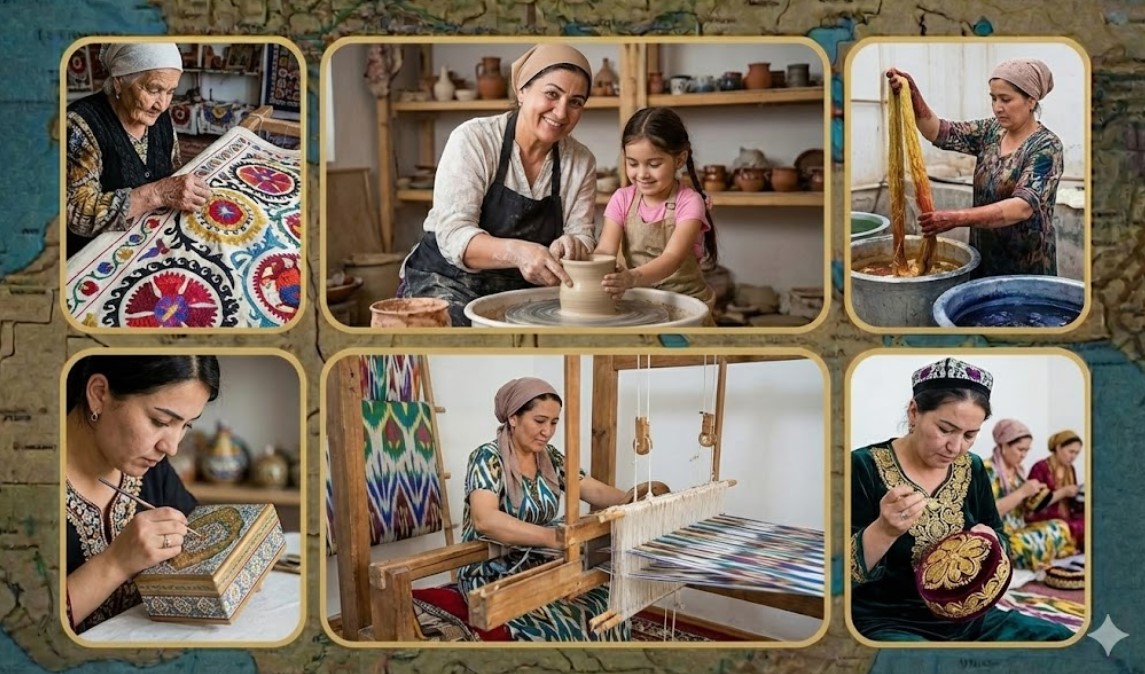
Beyond its architectural splendor, Khiva offers an intimate glimpse into traditional Uzbek life, with local artisans still practicing centuries-old crafts within the ancient walls. The compact size of Itchan Kala makes it easy to explore on foot, yet there's enough depth of history and beauty to justify spending several days wandering its sun-baked streets and discovering hidden courtyards.
Top Attractions
- Itchan Kala - The entire walled inner city is the main attraction, a UNESCO World Heritage Site encompassing the historic core with its intact medieval walls, gates, and dense concentration of monuments
- Kalta Minor Minaret - Khiva's most iconic landmark, this unfinished turquoise-tiled minaret was meant to be the tallest in Central Asia but construction stopped at 26 meters, leaving a stunning stumpy tower covered in intricate blue and green glazed tiles
- Juma Mosque - A unique 10th-century mosque featuring 218 intricately carved wooden columns, each one different from the others, creating a mesmerizing forest of pillars that support the ceiling
- Tosh-Hovli Palace - The magnificent 19th-century palace of the Khan, showcasing the finest examples of Khorezmian tilework, with stunning courtyards, a harem, and reception halls decorated in dazzling majolica
- Islam Khodja Minaret - The tallest minaret in Khiva at 57 meters, offering panoramic views over the entire city and surrounding desert from its narrow spiral staircase
- Kunya-Ark Citadel - The fortified residence of Khiva's rulers, containing throne rooms, a mint, a harem, and a watchtower with excellent views over Itchan Kala
Getting There
The nearest airport is in Urgench, located approximately 30-35 kilometers from Khiva, with regular flights from Tashkent taking about 1.5 hours. From Urgench airport, shared taxis and private transfers take 30-40 minutes to reach Khiva. Alternatively, you can take a domestic train to Urgench railway station and then continue by taxi for the final leg. Overland travelers often come from Bukhara, though this requires a long 6-7 hour drive through the desert, which can be broken up with stops at interesting points along the way. Some adventurous visitors also arrive via the northern border crossing from Turkmenistan.
Getting Around
Itchan Kala is remarkably compact and entirely walkable, with all major monuments within easy strolling distance of each other. The walled inner city covers less than one square kilometer, making it perfect for leisurely exploration on foot. For travel between your hotel outside the walls and Itchan Kala, or for trips to Urgench, local taxis are readily available and inexpensive. Some guesthouses offer bicycle rentals, which can be a pleasant way to explore the outer city and surrounding areas. Within Itchan Kala itself, walking is not just the best option but virtually the only practical way to navigate the narrow streets and appreciate the architectural details.
Best Time to Visit
The ideal months to visit Khiva are April through May and September through October, when temperatures are pleasant and the desert light is perfect for photography. Spring is particularly magical, with mild weather and excellent visibility for capturing the turquoise tiles against blue skies. Summer months from June to August should be approached with caution, as temperatures regularly soar above 40°C (104°F) and can even reach 45°C (113°F), making daytime exploration of the exposed monuments extremely uncomfortable. Winter can be surprisingly cold in the desert, though the crowds disappear and the light takes on a special quality. Early morning and sunset hours provide the most dramatic lighting for photography year-round, with the glazed tiles seeming to glow with an inner fire.
Recommended Duration
Most visitors find that 1.5 to 2 days is sufficient to explore Khiva thoroughly, given the compact size of Itchan Kala. One full day allows you to visit the major monuments, climb a minaret for views, and wander the atmospheric streets, while a second half-day lets you revisit favorite spots, explore at a leisurely pace, and shop for handicrafts. The city is particularly magical at sunset when the tiles glow golden, and at sunrise when you can have the streets nearly to yourself. Those with a deep interest in Islamic architecture or photography may want to extend to three days to capture the changing light and fully absorb the atmosphere. Khiva is often combined with Bukhara and Samarkand on longer tours of Uzbekistan's historic Silk Road cities.
What to Eat
Khiva offers several distinctive Khorezmian dishes that differ from cuisine elsewhere in Uzbekistan. The most famous local specialty is shivit oshi, green noodles colored with fresh dill and herbs, served with a meat and vegetable sauce unique to this region. Another Khivan delicacy is tuhum barak, egg dumplings that are a breakfast favorite among locals. While you'll find the standard Uzbek plov (pilaf) here, the Khorezmian version has its own character. Don't miss trying the green mung bean soup and various fresh breads baked in traditional tandoor ovens. Many restaurants within Itchan Kala offer traditional meals in historic settings, allowing you to dine in former madrassas or merchant houses while enjoying local specialties.
Shopping
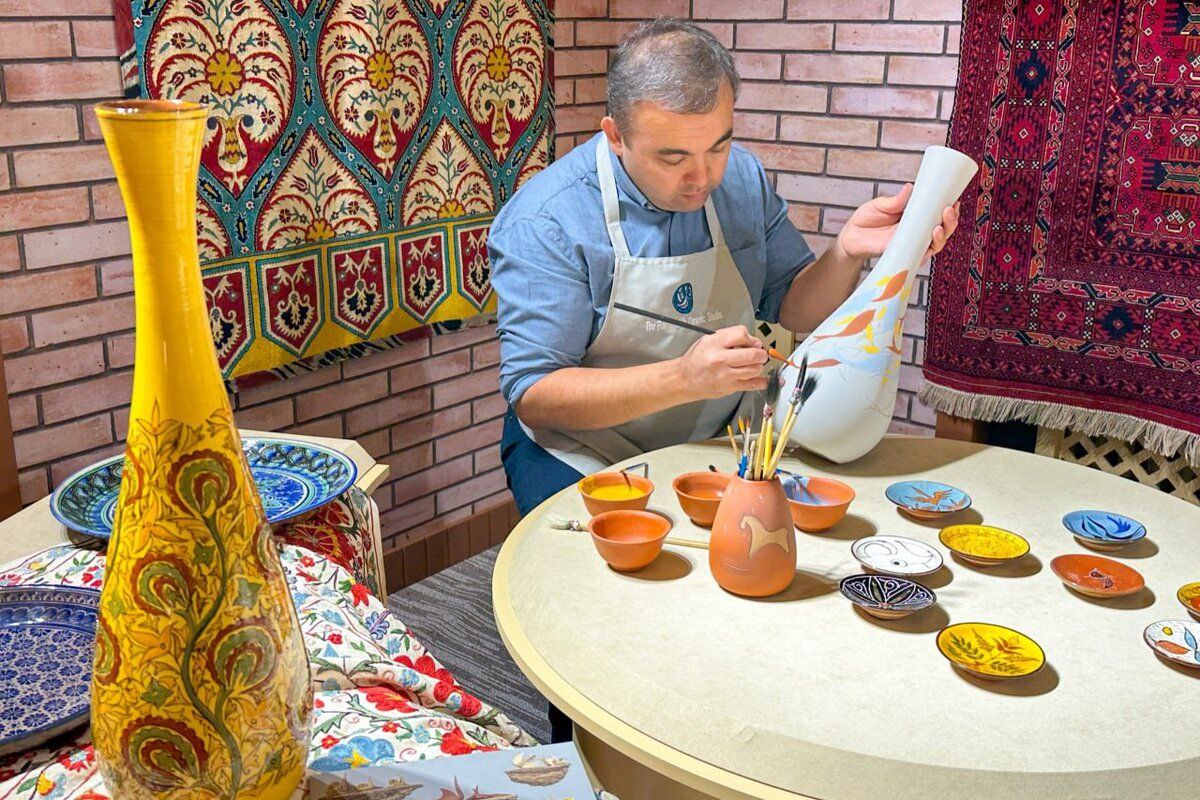
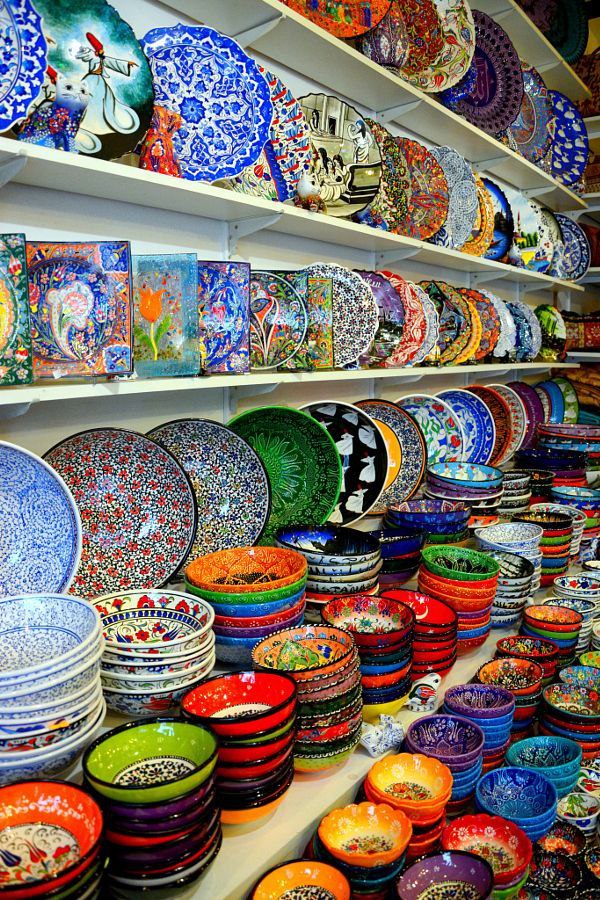
Khiva is renowned for its traditional wood carving craft, and you'll find master craftsmen still working in small workshops throughout Itchan Kala, creating intricately carved doors, boxes, and decorative items using techniques passed down through generations. The distinctive Khivan fur hats make unique souvenirs, as do locally woven silk scarves and traditional carpets. Miniature paintings depicting scenes from Khiva's monuments are popular purchases, along with ceramic tiles and pottery featuring the characteristic blue and turquoise glazes. The local honey from the Khorezm region is excellent and makes a transportable gift. Several workshops within the walls allow you to watch artisans at work and purchase directly from the makers, ensuring authenticity and supporting traditional crafts. The small bazaar outside the walls offers a more local shopping experience with everyday goods alongside tourist items.